

Hear from Our Customers
You’re not looking for a sales pitch. You need to know if there’s mold, where it is, and what type you’re dealing with.
Our residential mold testing gives you lab-certified results that tell you exactly what’s happening in your home. Not guesses. Not scare tactics. Just data you can use to make the right call—whether that’s moving forward with remediation, addressing a moisture issue, or walking away from a bad real estate deal.
Penns Park sits in one of Pennsylvania’s highest-risk zones for mold growth. The humidity here doesn’t quit, especially in summer. Attics trap heat and moisture. Basements stay damp. And older homes weren’t built with the ventilation standards we have today. That’s why black mold testing and air quality checks matter more here than in drier climates.
You get a written report, clear explanations, and no pressure. If there’s a problem, we’ll tell you. If there isn’t, we’ll tell you that too.
We’ve been helping homeowners in Penns Park and across Bucks County handle mold concerns before they turn into bigger problems. We’re not a franchise. We’re not rotating through techs who don’t know the area.
We know how homes are built here. We know the basements flood in spring and the attics cook in July. We know which neighborhoods have older HVAC systems and which developments used builders who cut corners on vapor barriers.
That local knowledge matters when you’re trying to figure out if that smell in your crawl space is something serious or just musty insulation. We’ve seen it all, and we’re not here to oversell you. We’re here to give you an honest assessment so you can move forward with confidence.
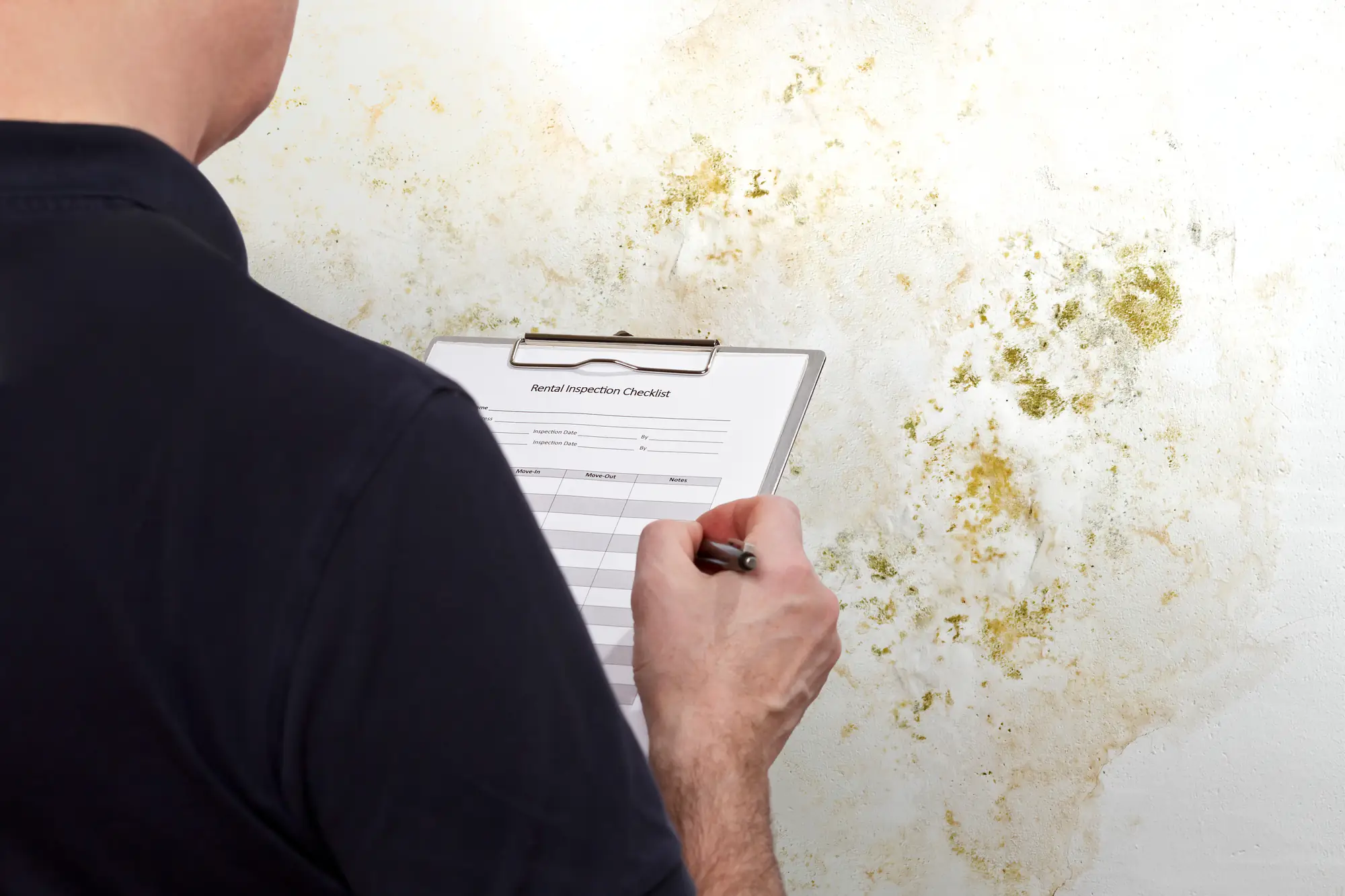
First, we walk through your home and look for visible signs—discoloration, water stains, musty odors, or areas where moisture tends to collect. We check the usual suspects: basements, attics, bathrooms, crawl spaces, and anywhere you’ve had leaks or flooding.
Then we take air samples and surface samples from areas of concern. Air testing picks up mold spores you can’t see. Surface testing identifies the specific type of mold growing on walls, ceilings, or other materials. Both matter, because not all mold is the same, and treatment depends on what we’re dealing with.
Samples go to a certified lab. You get results in a few days, along with a detailed report that breaks down spore counts, mold types, and what it all means for your home. We walk you through the findings in plain language—no jargon, no upselling.
If remediation is needed, we’ll outline what that looks like. If it’s a moisture issue that needs fixing first, we’ll tell you that. And if the results come back clean, you’ll have documentation to back that up for buyers, insurance, or your own peace of mind.
Ready to get started?
Every mold check includes a full visual inspection of your property, air quality testing in multiple areas, and surface sampling where we find visible growth or suspect hidden contamination. You’re not paying for a guy with a flashlight—you’re getting certified lab analysis and a written report you can actually use.
In Penns Park, we see a lot of homes with finished basements that trap moisture behind drywall. We see attics with poor ventilation where summer heat creates condensation on roof decking. We see bathrooms with exhaust fans that vent into the attic instead of outside. All of those create mold problems that don’t show up until someone goes looking.
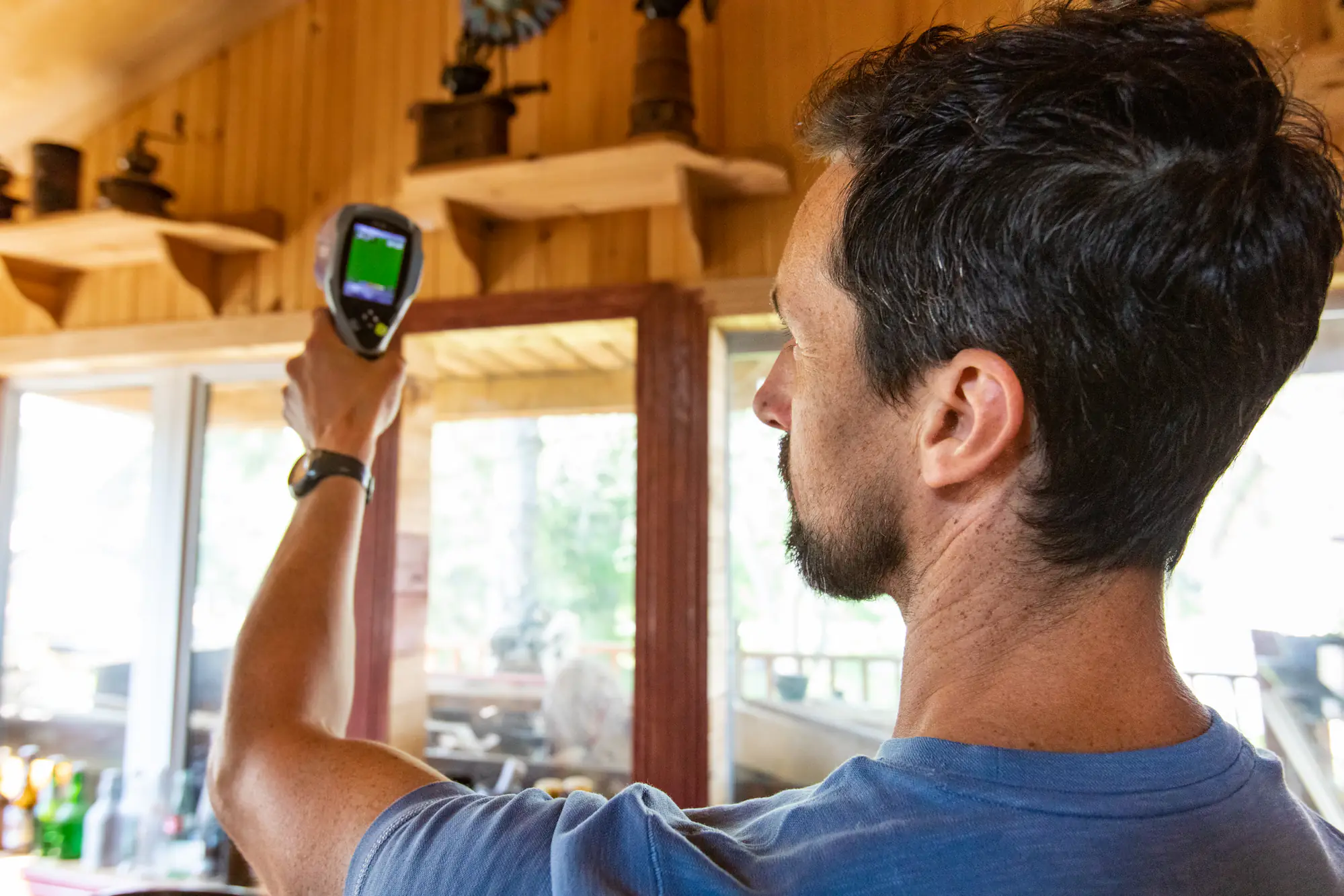
That’s why our testing goes beyond the obvious spots. We use moisture meters to find hidden water intrusion. We check HVAC systems that might be spreading spores. We look at grading and drainage issues that could be feeding the problem from outside.
You also get guidance on what to do next. If it’s a small issue you can handle yourself, we’ll tell you. If it requires professional remediation, we’ll explain why and what’s involved. And if you’re buying or selling a home, you’ll have the documentation you need to negotiate repairs or back out of the deal if the problem is too big.
Most residential mold testing in Bucks County runs between $300 and $600, depending on the size of your home and how many samples we need to take. A small condo with one area of concern costs less than a 3,000-square-foot house where we’re testing multiple rooms and the attic.
You’re paying for lab analysis, not just the inspection itself. Air samples and surface samples both go to a certified lab that identifies mold types and measures spore counts. That’s what gives you real data instead of a visual guess.
If you’re dealing with a real estate transaction, some buyers and sellers split the cost. If you’re filing an insurance claim, testing is usually part of the documentation process and may be covered depending on your policy and the cause of the water damage.
Lab results typically come back in 24 to 48 hours after we collect samples. You’ll get a full written report that breaks down what was found, where it was found, and what the spore counts mean for your home.
We don’t make you wait a week or try to interpret confusing charts on your own. Once results are in, we walk you through them and answer any questions you have about next steps.
If you’re under a time crunch—like a real estate closing deadline—let us know up front. We can often expedite lab processing or schedule your inspection sooner to keep things moving. Mold testing doesn’t have to hold up your timeline if we plan it right.
Sometimes, yes. Mold grows in places you can’t see—inside walls, under flooring, in HVAC ducts, or in attics with poor ventilation. If you’re smelling something musty, dealing with unexplained allergies, or noticing condensation in certain areas, there’s a good chance mold is present even if you can’t spot it.
Air quality testing picks up elevated spore levels that indicate hidden growth. It’s especially useful in homes where someone has had water damage in the past, even if it was cleaned up. Mold can come back if the moisture source wasn’t fully addressed.
In Penns Park, we also recommend testing if you’re buying an older home, especially one with a finished basement or limited attic ventilation. Pennsylvania’s humidity creates conditions where mold can thrive without obvious signs until it’s already a bigger problem. Testing gives you a clear answer before you’re stuck with an expensive surprise.
Air testing measures mold spore levels in the air you’re breathing. We take samples from different rooms and send them to a lab that identifies spore types and counts. High spore counts mean mold is actively growing somewhere, even if you can’t see it. Air testing is the best way to catch hidden mold or confirm that your indoor air quality is safe.
Surface testing involves swabbing or tape-lifting a sample from visible growth or a suspicious area. The lab identifies the exact type of mold—whether it’s black mold, aspergillus, penicillium, or something else. That matters because some molds are more aggressive or pose higher health risks than others.
Most thorough inspections include both. Air testing tells you if there’s a problem. Surface testing tells you what the problem is. If you’re trying to figure out whether that discoloration in your basement is mold or just dirt, surface testing gives you a definitive answer. If you’re trying to understand why your family is dealing with respiratory issues, air testing shows you what’s floating around your home.
DIY kits are cheap, but they don’t give you the full picture. Most at-home tests only tell you if mold is present—which isn’t that helpful, because some level of mold exists in almost every home. What you actually need to know is what type of mold it is, how much is there, and where it’s coming from.
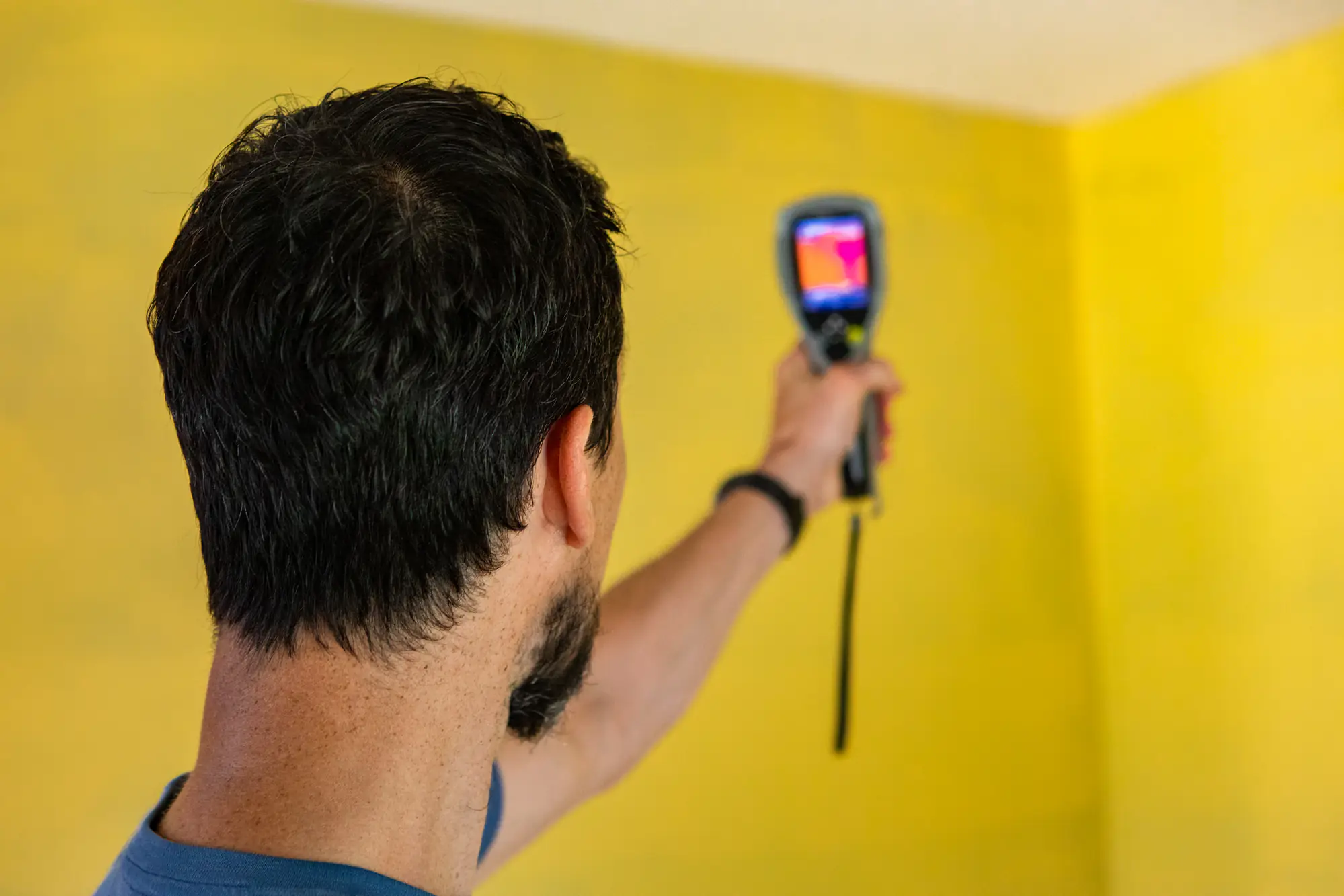
Professional testing includes a trained inspection, multiple sample locations, certified lab analysis, and a report that explains what the results mean for your specific situation. We also use tools like moisture meters and thermal imaging to find hidden problems that a DIY kit won’t catch.
If you’re dealing with a real estate transaction, insurance claim, or any situation where you need documentation, DIY results won’t hold up. Lenders, insurance companies, and attorneys want third-party certified testing from a licensed professional. If you’re trying to make a decision about buying a home or negotiating repairs, spending $30 on a kit that doesn’t give you actionable information just delays the inevitable.
If we find elevated mold levels or identify problem areas, the report will outline what type of mold is present, where it’s growing, and how severe the contamination is. From there, you have options.
Small, surface-level mold in a bathroom or around a window might be something you can address with proper cleaning and fixing the moisture source. Larger infestations—especially if black mold or toxic varieties are involved—require professional remediation to remove contaminated materials and treat affected areas safely.
We’ll walk you through what remediation looks like, what it costs, and how long it takes. If the issue is tied to a bigger problem like a roof leak, poor drainage, or HVAC issues, we’ll point that out so you can fix the root cause and prevent mold from coming back. You’re not locked into anything—you’ll have all the information you need to decide how to move forward, whether that’s hiring us, getting a second opinion, or handling it yourself if it’s minor enough.
Other Services we provide in Penns Park